
 English
 Bangla
 Arabic
Home Improvement Meets Festive: Small Decor Upgrades Before the Guests Arrive
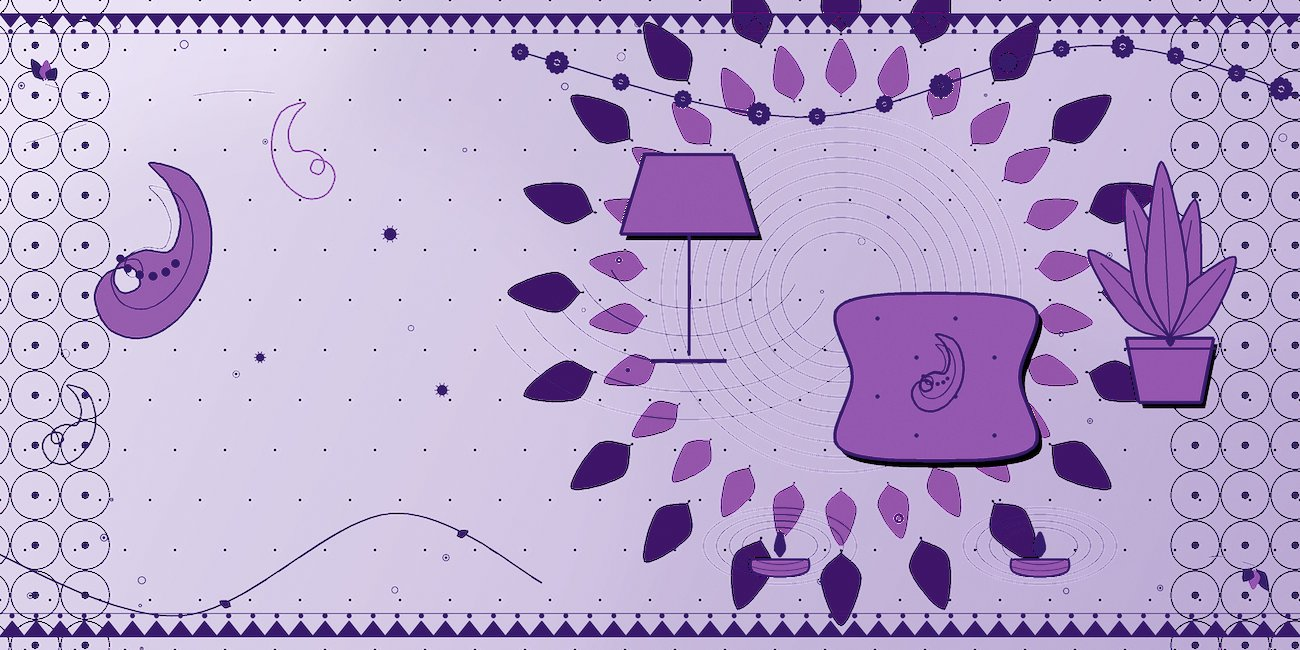
During festival season the house is looked at as closely as anyone's clothes are, and the instinct is to respond with volume: more lights, more decorations, more objects on more surfaces.
That instinct produces a cluttered house rather than a beautiful one. What actually makes a home feel prepared is a small number of changes applied deliberately, and most of them cost very little.
Start with subtraction
Before you add a single decorative item, remove things. This is the step everyone skips and it is the one that does the most work.
Clear the surfaces: the console by the door, the dining table, the coffee table, the kitchen counter. A room with clear surfaces reads as calm and cared for. A room with beautiful decorations sitting among ordinary clutter reads as cluttered, because the eye cannot separate the two.
Guests do not see individual objects. They see the overall impression, and clutter dominates that impression regardless of what else is present.
The entrance carries disproportionate weight
It is the first thing anyone sees and it sets the expectation for everything behind it. It is also small, which means it is cheap to transform.
- A clean, uncluttered doorway. Move the shoes. This is not a small point; a heap of footwear at the entrance is the first thing a guest registers.
- A toran or a floral hanging across the door frame. Traditional, inexpensive, and immediately signals occasion.
- A rangoli or a diya arrangement at the threshold.
- A new doormat. A worn, faded mat is a detail everyone sees and nobody mentions.
- Working light at the entrance. A dark doorway undoes everything else you have done to it.
Lighting, which matters more than decoration
How a room feels is determined by its light more than by anything in it. A room with warm, layered lighting feels welcoming even when it is sparsely decorated. A room lit by a single cool-white ceiling tube feels institutional no matter how much you put in it.
- Switch cool-white bulbs to warm white. It costs a few hundred rupees, takes ten minutes, and is the single highest-impact change available.
- Add light at a lower level. A floor lamp in a corner or a table lamp beside the sofa. Light from two heights creates depth. Light from one point overhead flattens everything.
- Use real diyas where you safely can. Candlelight and oil light do something to a room that electric light cannot replicate, and it photographs beautifully.
- Fairy lights, used with restraint. A single considered run along a balcony rail or a shelf edge is elegant. Lights on every surface become visual noise.
Textiles, which do the work of furniture
You cannot reupholster a sofa before a festival. You can change what is on it.
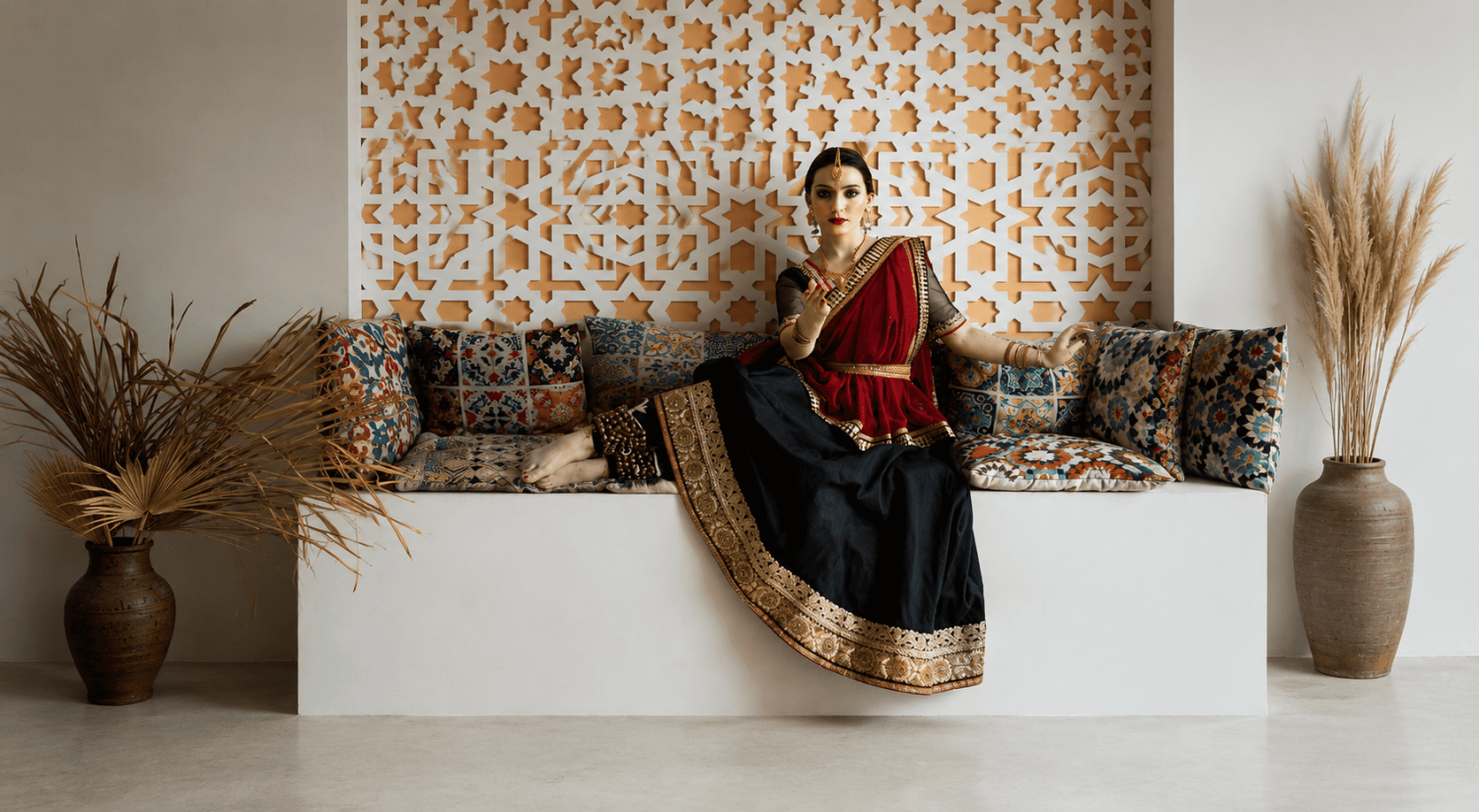
- New cushion covers in festive colours or richer textures. The cheapest way to change the character of a living room.
- A throw across the back of the sofa, which softens the room and hides a great deal.
- A clean table runner on the dining table.
- Curtains washed and hung properly. Faded, dusty curtains age a room more than almost anything else, and washing them costs nothing.
The details guests actually notice
People notice a surprisingly specific and consistent set of things, and none of them are the decorations.
- Whether the bathroom is clean, whether there is soap, and whether the towel is fresh. This is noticed by every single guest, without exception.
- Whether the house smells good. Incense, an oil diffuser, fresh flowers or simply an open window and good ventilation.
- Whether there is somewhere to sit, and somewhere to put a plate down.
- Whether the entrance is clear.
Get those four right and the house will be remembered as beautifully kept, regardless of what is on the shelves.
Flowers, in one place
Fresh flowers are the fastest way to make a house feel prepared. Marigolds are traditional, inexpensive and extraordinarily effective, and they last well.
One large arrangement in a place people will actually stand does considerably more than five small vases scattered across the house. Concentration beats distribution.
What to skip
Do not start a project you cannot finish. A half-painted wall, a shelf you meant to mount, a rearranged room you did not finish rearranging: all of these are worse than the original state, and the week before a festival is not when to begin them.
Clean, clear, light well, add flowers, fix the entrance. That is the entire list, and it is enough.
Related reading
Recent Posts
Home Improvement Meets Festive: Small Decor Upgrades Before the Guests Arrive
Your First Order on Seoul Street: Payment, Shipping, Tracking and Returns
Reading a Product Page Properly: Fabric, Fit, Lining and What Is Included