
 English
 Bangla
 Arabic
Men's Ethnic Essentials: Building a Kurta Wardrobe That Works All Year
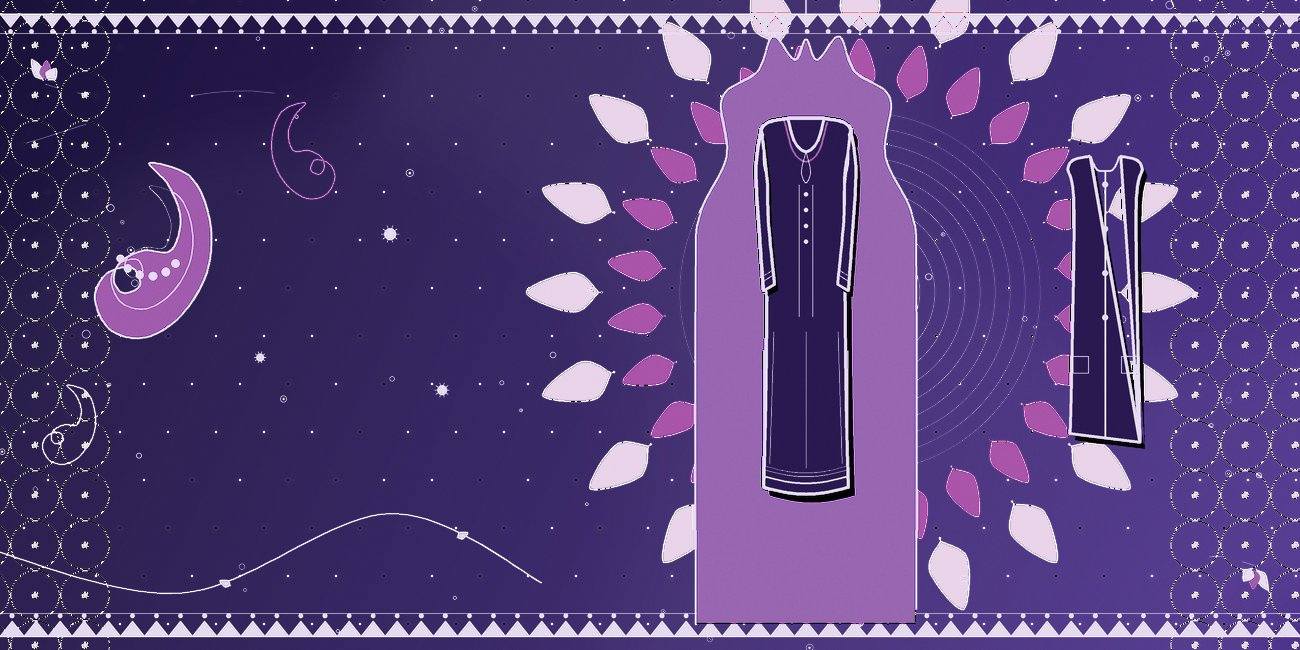
The typical men's ethnic wardrobe in India consists of one kurta, bought under pressure a week before a wedding, worn twice, and then left in a cupboard until the next emergency. It is an inefficient way to own clothes, and it guarantees that every festive occasion begins with a rushed and expensive purchase.
A small, deliberate ethnic wardrobe solves this permanently. Five pieces, correctly chosen, will cover almost every occasion you are likely to face in a year.
Get the fit right first
Fabric and colour are recoverable mistakes. Fit is not. A kurta that fits badly cannot be rescued by anything.
- Shoulder seam: should sit exactly at the edge of your shoulder. This is the one measurement a tailor cannot easily correct, so it is the one to check first.
- Chest: should skim, not cling and not billow. You should be able to comfortably fit a flat hand between the fabric and your chest, and no more.
- Length: a standard kurta ends around mid-thigh, roughly where your fingertips fall with arms relaxed. A short kurta ends at the hip and reads as more casual. A long kurta approaching the knee is more formal and more traditional.
- Sleeves: should end at the wrist bone. Sleeves ending mid-forearm look unfinished unless they are deliberately cut that way.
The five pieces worth owning
1. A white or ivory cotton kurta
The most useful ethnic garment a man can own. It works for daytime functions, temple visits, summer gatherings and casual festive occasions. It pairs with pyjama, churidar, denim and white trousers with equal ease. Buy it in good cotton, not in something synthetic, because the entire point of the garment is that it breathes.
2. A dark solid kurta
Navy, bottle green, maroon, charcoal or deep grey. This is the piece that covers evening functions where white would look under-dressed. A dark solid kurta in a fabric with some substance, such as silk blend, cotton silk or a heavier cotton, will carry you through most sangeets and evening parties without further effort.
3. A Nehru jacket
The single highest-leverage item in a men's ethnic wardrobe. A jacket transforms a plain kurta into a formal outfit in one motion, and it makes any kurta you already own into a second outfit. Buy it in a neutral or textured fabric so it will work over multiple base colours.
4. A well-cut pair of churidar or pyjama
Two, if the budget allows: one in white or ivory, one in a dark neutral. Churidar is more formal and more traditional; pyjama is more relaxed. The bottom does not need to match the kurta exactly, and in most modern styling it is better if it does not.
5. An occasion piece
A bandhgala, a sherwani or a heavily worked kurta set, reserved for weddings and the highest-formality evenings of the year. This is the one place in the wardrobe where spending more is justified, because this is the piece that will be photographed.
Fabric by season
- Summer: cotton, linen and cotton blends, in light colours. Ethnic wear is genuinely more comfortable than western formal wear in Indian heat, and this is when it should be worn most.
- Monsoon: lighter synthetics and blends that dry quickly and resist creasing.
- Winter: silk blends, wool blends and heavier cottons, with jackets and shawls as layers.
Footwear, which most men get wrong
The kurta is only half the outfit. Wearing formal leather Oxfords with a kurta is a common error, and it flattens the whole look.
Mojaris and juttis are the traditional and correct choice, and they are inexpensive. Kolhapuri chappals work for daytime and casual functions. Loafers in leather or suede work with Indo-western looks and with a kurta over trousers. Sports shoes and formal derbies do not belong here.
The wider point
Ethnic wear is not costume, and it does not need to be reserved for festivals. A well-fitted kurta over dark denim with clean loafers is one of the most comfortable and best-looking outfits available to a man in this country, and it is entirely wearable on an ordinary Saturday.
Buy for fit, buy fabric appropriate to the season, own a jacket, and you will never again find yourself buying a kurta in a panic three days before a wedding.
Related reading
Recent Posts
Home Improvement Meets Festive: Small Decor Upgrades Before the Guests Arrive
Your First Order on Seoul Street: Payment, Shipping, Tracking and Returns
Reading a Product Page Properly: Fabric, Fit, Lining and What Is Included