
 English
 Bangla
 Arabic
Why Rayon Is the Everyday Ethnic Fabric, and When It Isn't
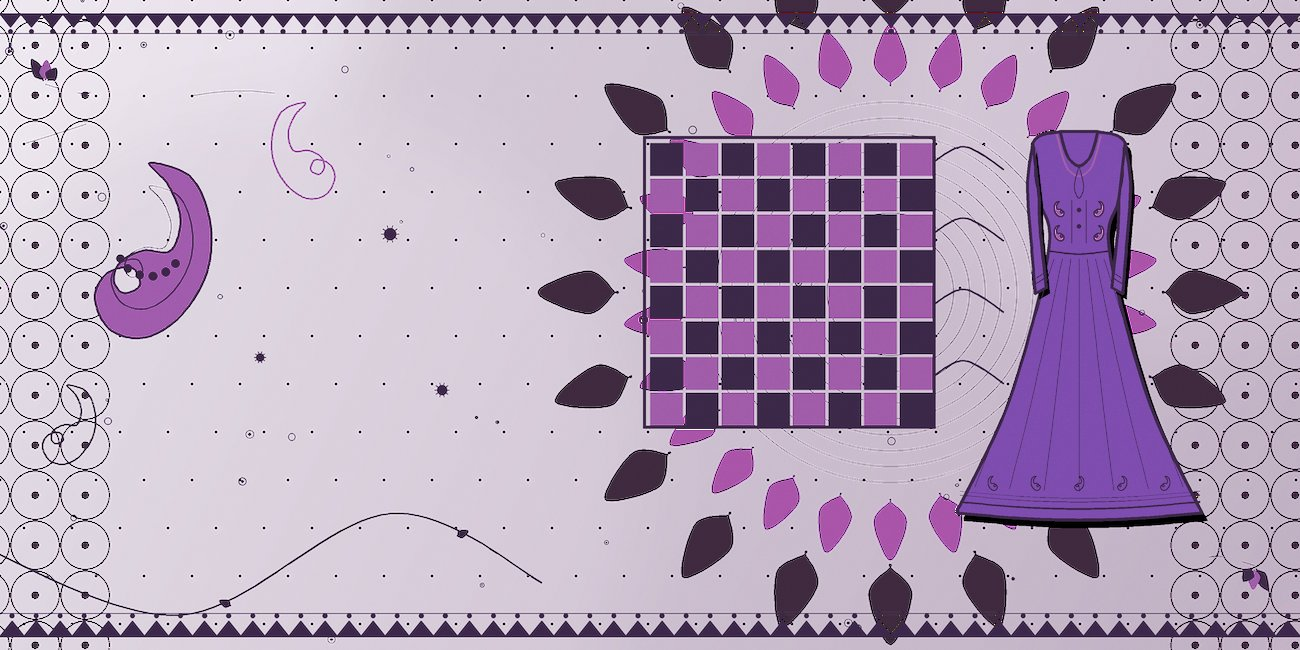
If you buy ethnic wear online in India at a mid-market price, there is a strong chance you are buying rayon. It is the default fabric of the affordable kurta market, and it earned that position honestly. It is also frequently misunderstood, both by shoppers who assume it is a cheap synthetic and by product pages that describe it as though it has no drawbacks.
Here is the accurate picture.
What rayon actually is
Rayon is a regenerated cellulose fibre. The raw material is plant cellulose, usually wood pulp or bamboo, which is dissolved chemically and extruded into fibre. That makes it neither a natural fibre in the way cotton is, nor a synthetic in the way polyester is. It occupies a category of its own, sometimes called semi-synthetic.
Viscose is rayon. The two names refer to the same family of fibres, and where you see them used differently on a product page, it is usually marketing rather than a material distinction. Modal and lyocell are more refined members of the same family, and both are stronger and more stable than standard viscose rayon.
What rayon does exceptionally well
Drape. This is the reason for its dominance. Rayon falls and flows in a way that cotton at the same price simply cannot. An Anarkali cut in rayon has movement. The same cut in ordinary cotton stands away from the body.
Colour. Rayon takes dye brilliantly and holds print with a depth and clarity that is difficult to achieve on cotton without a considerable cost increase. The rich, saturated prints that characterise the affordable kurta market are largely a rayon phenomenon.
Feel. It is smooth and cool against the skin, closer to silk in hand than to cotton.
Price. It delivers all of the above at a price point where the alternatives cannot compete. A rayon kurta at fifteen hundred rupees genuinely looks like a garment costing considerably more, and that is not an illusion, it is a property of the fibre.
Where rayon genuinely falls short
It is weak when wet. This is the central limitation, and it explains almost every complaint about rayon. Wet rayon fibres lose a substantial proportion of their strength. That is why a rayon kurta shrinks in a hot wash, distorts if it is wrung, and can tear at a seam under stress that cotton would shrug off.
It shrinks. Expect measurable shrinkage on the first wash if it is washed warm. Cold water and low-agitation washing largely prevents it.
It wrinkles. Readily and visibly. Rayon is not a travel fabric, and it is not a fabric for a long day of sitting.
It is less breathable than cotton. It is more breathable than polyester, and considerably cooler to the touch, but in peak Indian summer heat, cotton remains the superior choice for all-day comfort.
It can pill. Friction points, particularly under the arms and where a bag strap sits, will pill over time.
When to choose rayon
- Printed kurtas and Anarkalis where drape is the point.
- Festive and occasion wear at a mid-range budget.
- Any garment where you want the look of a more expensive fabric.
- Autumn, winter and the milder months generally.
When to choose something else
- Peak summer: cotton or a cotton blend. Rayon in forty-degree heat with high humidity is noticeably less comfortable.
- Daily office wear that will be washed constantly: cotton blends are more durable under repeated washing.
- Travel: anything that resists creasing. Rayon does not.
- Heavy formal occasion wear: silk, silk blends or structured fabrics hold their shape and read as more substantial.
Making rayon last
Almost every rayon garment that fails does so because it was washed as though it were cotton. The correct routine is short and non-negotiable.
- Cold water only. Hot water is what causes the shrinkage.
- Hand wash, or a delicate cycle in a mesh bag with the lowest available spin.
- Mild liquid detergent. No harsh powders, no bleach.
- Never wring. Press the water out. Wringing distorts wet rayon permanently.
- Dry flat or on a wide hanger, in shade. Never in direct sun, and never in a machine dryer.
- Iron on low, on the reverse, while very slightly damp. High heat will scorch it.
The verdict
Rayon is not a compromise fabric. It is a fabric with a specific set of strengths, and within its range it outperforms everything else at its price. The mistake is not buying rayon. The mistake is buying rayon and then treating it like cotton, and the second mistake is entirely avoidable.
Related reading
Recent Posts
Home Improvement Meets Festive: Small Decor Upgrades Before the Guests Arrive
Your First Order on Seoul Street: Payment, Shipping, Tracking and Returns
Reading a Product Page Properly: Fabric, Fit, Lining and What Is Included