
 English
 Bangla
 Arabic
How to Style a 3-Piece Suit Set Five Different Ways
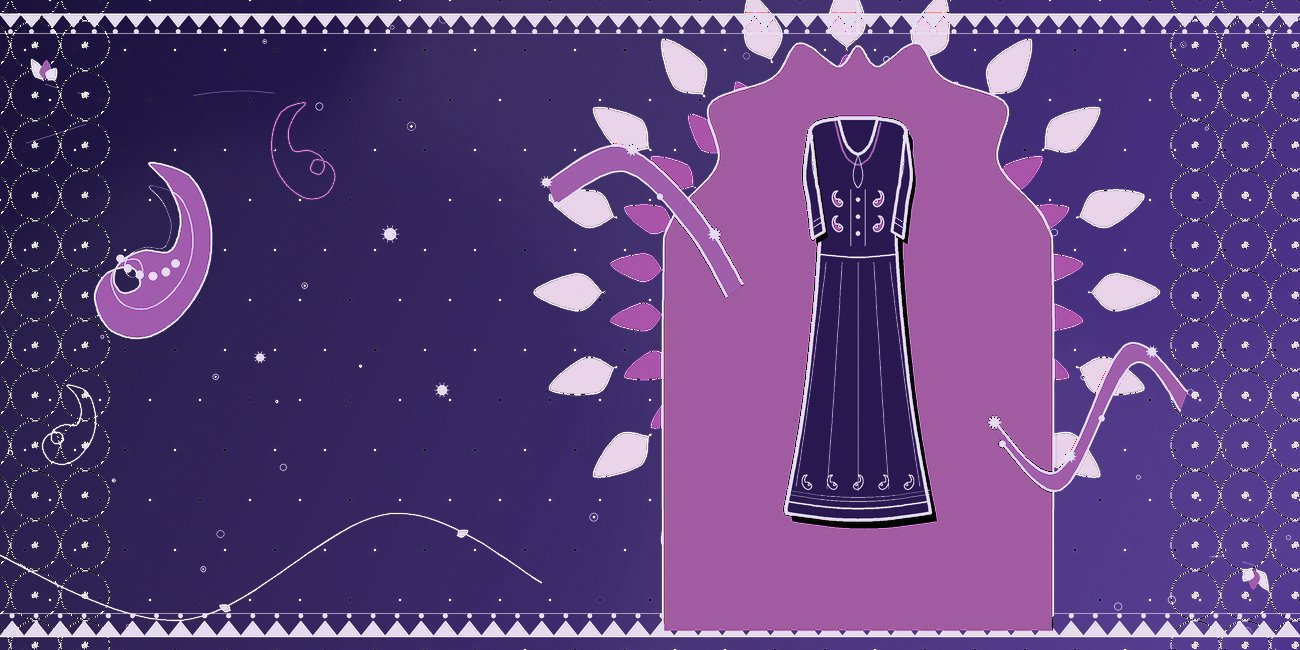
A three-piece suit set is usually photographed and sold as a single, finished look: kurta, bottom, dupatta, styled exactly as the brand intended. That photograph is a suggestion, not an instruction. The three pieces were cut separately, and they can be worn separately.
Treating a suit set as three independent garments is the single most effective way to lower your cost per wear. Here are five distinct looks you can build from one purchase.
1. The complete set, worn as designed
There is nothing wrong with wearing the outfit exactly as it was sold, and for a wedding function, a festival or a formal occasion, it is usually the right call. The set was designed as a coordinated whole, and the embroidery, print and colour balance have been considered together.
What you can control is the finishing. Keep jewellery in one metal family. If the yoke is heavily embroidered, wear studs rather than statement earrings and let the garment do the work. If the kurta is plain and the dupatta carries the detail, that is when a bolder earring or a pair of jhumkas earns its place.
2. Kurta and bottom, no dupatta
Remove the dupatta and the same outfit drops several degrees of formality. It becomes something you can wear to the office, to a weekday lunch or on a long travel day, without looking like you are on your way to a function.
The dupatta is the piece that signals occasion. Without it, an embroidered kurta reads as a nicely finished top rather than festive dress. Add a slim belt at the waist if the kurta is straight-cut, or a structured tote and closed shoes, and the look is complete.
3. Kurta with jeans or trousers
A short or knee-length kurta worn over straight-leg jeans is one of the most reliable Indo-western combinations, and it works because the two halves speak completely different languages. The kurta supplies colour and craft; the denim supplies structure and neutrality.
Two rules make the difference between a considered look and an accidental one. First, keep the bottom slim: skinny or straight-leg denim, never wide-leg, because the kurta already has movement. Second, mind the length. A kurta that ends between mid-thigh and just above the knee sits correctly over jeans. A calf-length kurta over jeans almost never works.
Trousers in a solid neutral, such as black, ivory, navy or beige, achieve the same effect with a more formal register, and are an excellent way to take an ethnic kurta into a corporate environment.
4. The dupatta as a standalone piece
A dupatta is a large rectangle of decorative fabric, and there is no reason it must return to the kurta it arrived with. Draped over a plain black or white kurta, over a solid saree blouse, or even over a monochrome western outfit as a stole, an embroidered or printed dupatta becomes an accent piece that carries a whole look on its own.
This is where a good dupatta earns its keep. A cutwork lace or embroidered dupatta bought as part of a set can be redeployed four or five times across your wardrobe, and each time it will be the piece people notice.
5. Layering for cooler months
From November onwards, the set becomes the base rather than the whole outfit. A long, sleeveless jacket over a kurta and palazzo adds warmth and a strong vertical line at the same time. A tailored waistcoat over a straight kurta produces a sharper, more structured silhouette that works well for evening events.
Keep the layer plain if the kurta is printed or embroidered, and let the layer be the interesting piece if the kurta is solid. Two decorated layers competing for attention will flatten each other.
The underlying principle
Every ethnic outfit sits somewhere on a scale from casual to formal, and each element you add moves it up that scale. The dupatta moves it up. Heavy jewellery moves it up. Embellished footwear moves it up. Denim, flat sandals and bare ears move it down.
Once you can see that scale, a single suit set stops being one outfit locked to one occasion and becomes a small wardrobe of its own. That is what makes a well-chosen set worth paying for.
Related reading
Recent Posts
Home Improvement Meets Festive: Small Decor Upgrades Before the Guests Arrive
Your First Order on Seoul Street: Payment, Shipping, Tracking and Returns
Reading a Product Page Properly: Fabric, Fit, Lining and What Is Included