
 English
 Bangla
 Arabic
The Festive Wardrobe Plan: What to Wear from Raksha Bandhan to Diwali
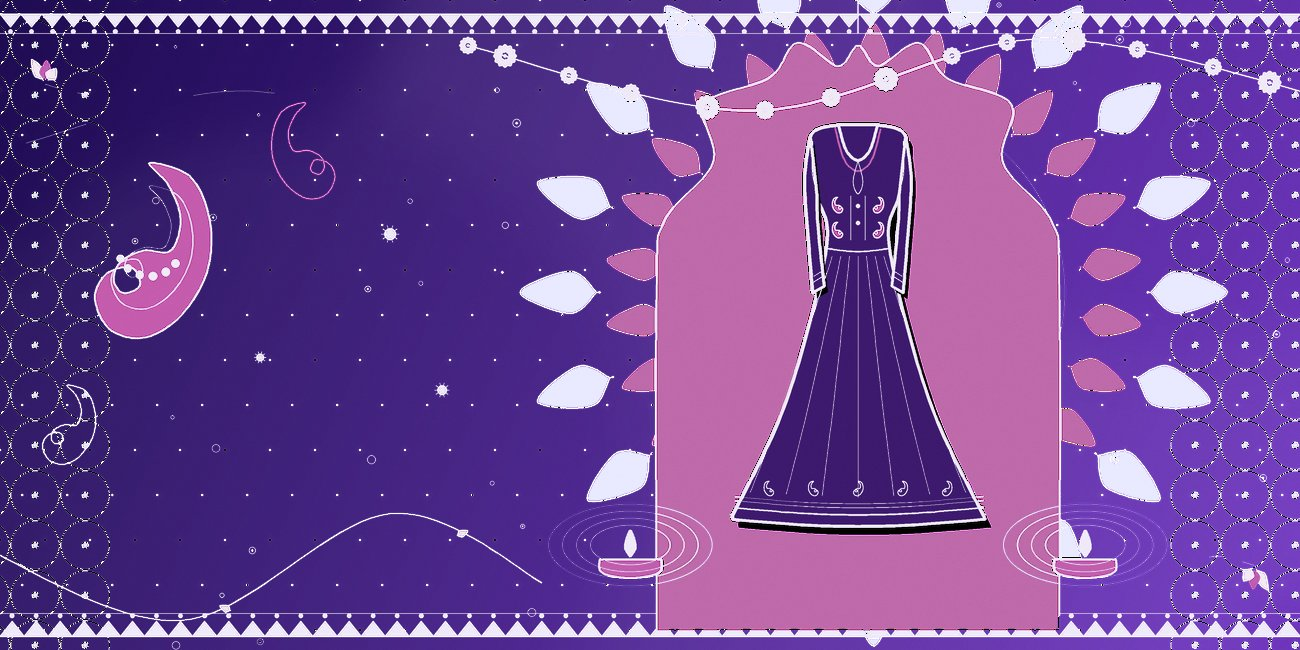
The Indian festive calendar runs a punishing schedule. Between Raksha Bandhan and Diwali there are several occasions where you will be photographed, and the instinct is to buy something new for every one of them. That instinct is expensive and, more to the point, unnecessary.
A well-planned festive wardrobe is built around a small number of strong pieces that are restyled rather than replaced. Here is how to structure one.
Start by mapping the season
Write down every occasion you actually expect to attend, and mark each one as either daytime and informal or evening and formal. Most people discover they have two or three genuinely formal evenings and a longer list of daytime family gatherings. That distribution tells you exactly where to spend.
The correct allocation is one substantial investment piece for the formal evenings, two mid-range sets that can be restyled repeatedly across the daytime occasions, and accessories that change the character of both.
Raksha Bandhan: comfortable, daytime, photographed
This is a morning ceremony followed by a family meal, usually at home, usually in August heat. Comfort and breathability matter more than grandeur.
A cotton or cotton-blend straight kurta or an A-line suit set in a clear, bright colour is the right register. Sleeves matter here in a way they do not elsewhere, because your arms will be extended for the tying of the rakhi and photographed doing it. Choose a sleeve you are comfortable being seen in.
Avoid heavy embellishment. It photographs as clutter in daylight, and it is uncomfortable in heat.
Navratri: nine days, and a genuine planning problem
Navratri is the only festival in the calendar that demands a different look on nine consecutive days, and it is where a repeat-and-restyle strategy earns its value most clearly.
The colour convention gives each day a designated shade. The practical approach is not to buy nine outfits but to own three or four bases in neutral or versatile colours and use dupattas, jackets and jewellery to move each day into its assigned colour family. A white or ivory kurta set is the most valuable piece you can own for this festival precisely because it accepts any dupatta.
If you attend garba, prioritise movement over everything else. A flared, lightweight skirt or an Anarkali with a genuine sweep, footwear you can actually dance in, and jewellery that will not swing into your face.
Karwa Chauth: traditional, evening, considered
This is the most formal traditional occasion of the season for many families, and the convention leans strongly towards red and its relatives. It is also an evening event, which means embellishment and richer fabric finally make sense.
If you want to observe the tradition without wearing the same shade as everyone else in the room, move within the red family rather than away from it: maroon, rust, wine, deep coral and rani pink all read as traditional while remaining distinctly yours.
Diwali: the peak, and the place to spend
Diwali is not one occasion but several across several days: cleaning and preparation, Dhanteras, the puja evening, Lakshmi Puja itself, and the visiting that follows. The clothes needed for each are quite different, and treating them as one requirement is the mistake most people make.
- Dhanteras and daytime visiting: mid-weight ethnic, comfortable, a colour that carries well in daylight.
- Puja evening: this is where the investment piece belongs. Silk, brocade, heavy georgette, real embroidery, proper jewellery.
- Card evenings and casual visits: restyle. The kurta from earlier in the season with a different dupatta and better jewellery is entirely sufficient.
A practical note about diyas and open flame: floating, flammable synthetic dupattas and long trailing sleeves are a genuine hazard around lit lamps. Secure a dupatta with a pin at the shoulder if you will be near flame, and keep sleeves close to the arm.
The buy list, in order of priority
- One investment piece for the highest-formality evening of the season, in a colour and fabric you will still want to wear in three years.
- Two versatile sets in mid-weight fabric that can be dressed up or down and worn to multiple daytime occasions.
- Two or three dupattas bought as standalone pieces. This is the cheapest, highest-leverage purchase in ethnic wear, because a dupatta can transform a repeated kurta into a new outfit.
- One neutral base, ivory or beige, that accepts any accent colour you put with it.
Buy early
Two things happen as the festive season approaches: the good sizes and the popular colourways sell out, and alteration turnaround times lengthen considerably. Ordering in the first half of the season rather than the week before an event is not merely convenient. It is the difference between wearing what you chose and wearing what was left.
Related reading
Recent Posts
Home Improvement Meets Festive: Small Decor Upgrades Before the Guests Arrive
Your First Order on Seoul Street: Payment, Shipping, Tracking and Returns
Reading a Product Page Properly: Fabric, Fit, Lining and What Is Included