
 English
 Bangla
 Arabic
How to Wash and Store Embroidered Kurta Sets So They Last for Years
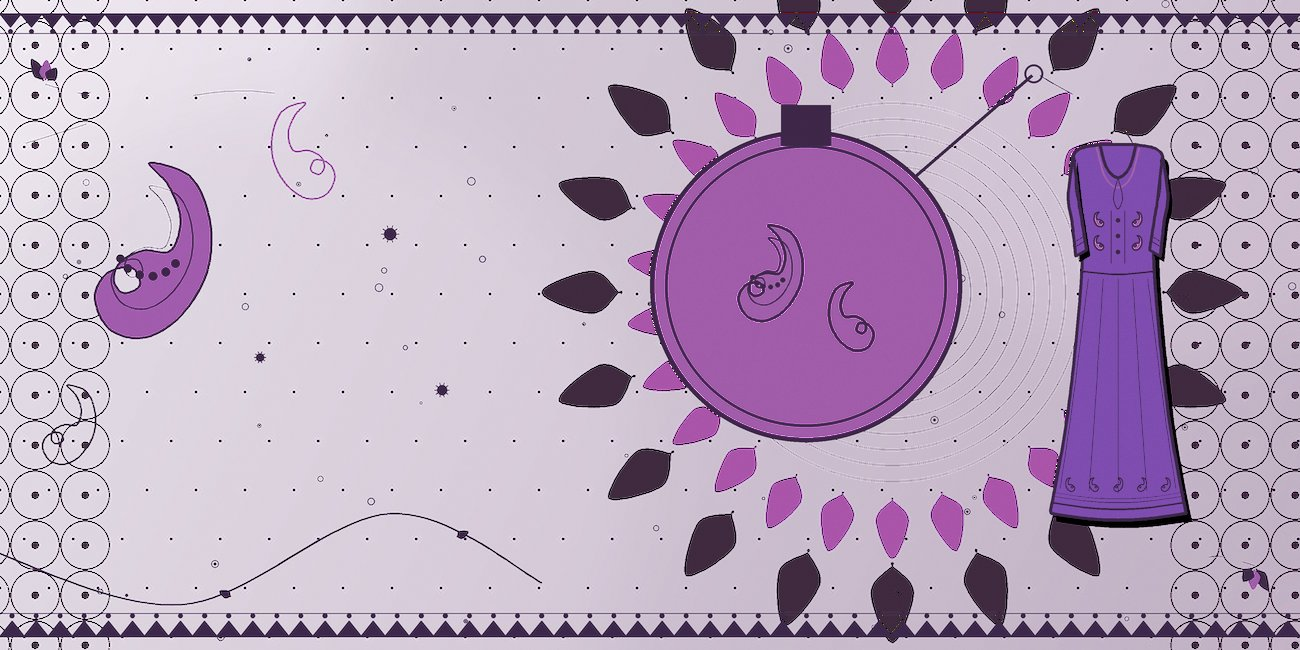
An embroidered kurta usually fails in one of three ways: the threadwork pulls loose, the base fabric fades unevenly around the embroidery, or the metallic zari tarnishes and blackens. All three are avoidable, and all three are caused by the same thing, which is treating an embroidered garment like an ordinary one.
The care routine below takes a few extra minutes and adds years to the life of a piece you paid a fair amount for.
Before the first wash
Read the care label. If it says dry clean only, believe it. Heavy zardozi, sequin work, mirror work and genuine zari are not machine-safe under any circumstances, and there is no domestic technique that will make them so.
If the label permits hand washing, do a colourfastness test first. Dampen a white cotton cloth, press it firmly against an inside seam of the garment for thirty seconds, and check whether any dye has transferred. If it has, the piece needs a cold, quick, isolated wash for its entire life, and it should never share water with anything else.
Washing an embroidered garment
- Turn the garment inside out. This is the single most important step. It protects raised embroidery from abrasion against itself, the basin and any other fabric.
- Use cold water only. Warm water relaxes fibres, loosens embroidery threads and accelerates dye bleed. Cold water, every time.
- Use a mild liquid detergent. Powder detergents contain abrasive particles and optical brighteners that lodge in embroidery and dull metallic thread. A small quantity of liquid detergent, fully dissolved before the garment enters the water, is correct.
- Do not soak. Ten minutes at most. Prolonged soaking is what causes colour bleeding, and embroidered pieces almost always contain contrasting threads that will bleed into a lighter base.
- Do not wring, twist or scrub. Press the water out gently with flat palms. Wringing is what snaps embroidery stitches.
If you must use a machine and the label allows it, place the garment inside a mesh laundry bag, select the most delicate cycle available, set the temperature to cold, and reduce the spin speed to its lowest setting.
Drying
Never dry an embroidered garment in direct sunlight. Sun fades dyed fabric quickly and unevenly, and it will fade the exposed surface faster than the areas shaded by embroidery, leaving a permanent ghost pattern.
Dry the garment inside out, flat or on a wide padded hanger, in shade with good air movement. A wire hanger will leave shoulder points that never fully recover; a wide hanger will not.
Ironing without destroying the work
Iron on the reverse side, always. Place a clean cotton cloth between the iron and the fabric, use a low to medium heat setting, and never allow the plate of the iron to touch embroidery, sequins or mirrors directly. Direct heat on metallic thread will discolour it permanently and can melt synthetic sequins entirely.
A steamer is a better tool than an iron for these garments. It relaxes creases without contact, which is exactly what embellished fabric needs.
Storage, which is where most damage actually happens
Garments are worn a handful of times a year and stored for the rest of it, so storage does more damage over a lifetime than wearing ever does.
- Store clean. Perfume, body oils and invisible food residue attract insects and oxidise into stains that appear months later, long after the cause is forgotten.
- Use cotton, never plastic. Polythene traps moisture, and trapped moisture in a humid Indian summer produces mildew and yellowing. A soft cotton bag or an old cotton pillowcase is the correct storage medium.
- Fold with tissue. Place acid-free tissue or a clean muslin cloth along each fold line. Sharp permanent creases weaken fibres and, over years, cut through them.
- Wrap zari separately. Metallic embroidery tarnishes on contact with air and other fabrics. Wrapping the piece in muslin slows this considerably.
- Refold once a year. Change where the folds fall so no single line takes permanent stress.
Keep naphthalene balls away from direct contact with fabric; place them in a corner of the storage box instead. Dried neem leaves work as a gentler alternative and will not leave an odour that lingers for weeks.
The short version
Cold water, inside out, mild liquid detergent, no soaking, no wringing, shade drying, reverse ironing through a cloth, and cotton storage. That is the whole routine, and it is the difference between a festive kurta that lasts one season and one that is still being worn in five years.
Related reading
Recent Posts
Home Improvement Meets Festive: Small Decor Upgrades Before the Guests Arrive
Your First Order on Seoul Street: Payment, Shipping, Tracking and Returns
Reading a Product Page Properly: Fabric, Fit, Lining and What Is Included