
 English
 Bangla
 Arabic
Layering for Indian Winters: Ethnic Wear That Survives December
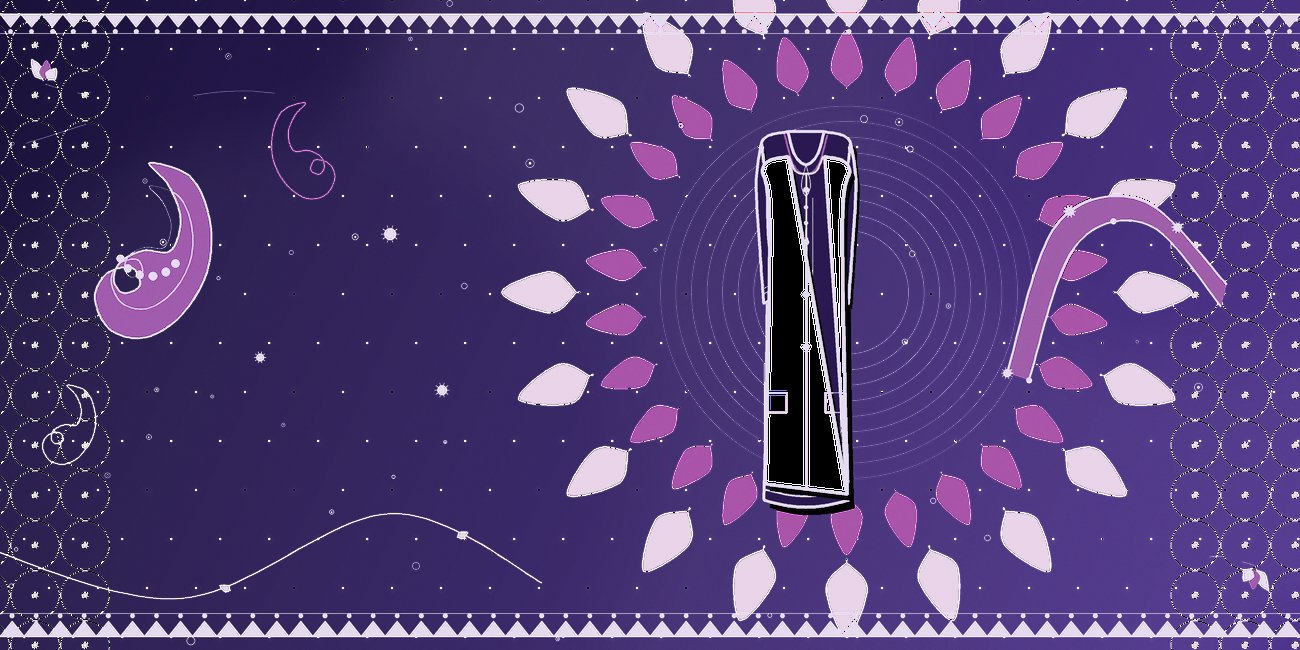
From late November to February, a large part of North India is genuinely cold, and ethnic wear was not designed with that in mind. The default response is to abandon the outfit entirely and put a fleece over it, which solves the temperature problem and destroys the outfit.
There is a better approach, and it is the same one that governs cold-weather dressing anywhere: build the warmth into layers that belong to the outfit rather than fighting it.
The three-layer principle
Warmth comes from trapped air between layers, not from a single thick garment. Three thin layers will outperform one heavy one, and they will look considerably better.
Base layer
Thin, close to the skin, its job is to hold warmth without adding bulk. Cotton or wool thermals worn under a kurta are invisible and effective. A fitted full-sleeve cotton top under a sleeveless or short-sleeved kurta achieves the same thing and can be a deliberate style choice: a contrasting sleeve emerging from a sleeveless kurta looks intentional rather than improvised.
Middle layer
The kurta itself, and in winter it should be a heavier one. Silk blends, wool blends, heavier cottons and thick rayon all hold warmth in a way that light summer cotton and georgette do not.
Outer layer
This is the layer that does the visible work, and it is where the styling lives.
The outer layers that actually work
The Nehru jacket
The most efficient ethnic outer layer in existence. It adds structure, it adds warmth through the core, and it turns any kurta into a more formal outfit in a single motion. It works for both men and women, and in a neutral or textured fabric it will layer over almost anything you own.
The long sleeveless jacket or shrug
A floor-length or calf-length open jacket worn over a kurta and slim bottom creates a strong vertical line and adds a full layer of fabric down the body. It is the most flattering winter layer available and it works particularly well over straight kurtas.
The waistcoat
Shorter and more structured than a long jacket, it adds definition at the waist and warmth at the core. It suits an evening event where a long jacket would be too much.
The shawl
The traditional answer, and still the best one for genuine cold. A good pashmina or wool shawl is warmer than most jackets, and it is the only layer you can remove entirely and drape over an arm when you step indoors.
The drape matters. Folded lengthways into a wide band and laid over one shoulder, it looks intentional. Bunched around the neck like a scarf, it does not.
The tailored blazer
A structured blazer over a straight kurta and cigarette pants is a genuinely good Indo-western winter outfit, and it is the most office-appropriate combination on this list. Keep the blazer plain and let the kurta carry any pattern.
What to avoid
- Hoodies and sweatshirts over ethnic wear. The registers are too far apart, and the result reads as an accident.
- Bulky puffer jackets over a kurta. Warm, but they flatten the silhouette entirely.
- Layering flare over flare. A jacket over an Anarkali needs the jacket to be a straight, open, unstructured line, or the volume compounds.
Feet and hands
The outfit fails at the extremities more often than at the torso. Open juttis and flat sandals in December are the reason winter ethnic wear feels cold even when the layering is correct.
Closed juttis, mojaris, ankle boots and loafers all work with ethnic wear and are warm. Boots with a long kurta and slim bottom is a combination that has quietly become standard, and it looks good.
Colour and fabric in winter
Winter is when the deeper palette earns its place: bottle green, maroon, navy, charcoal, plum, rust. Texture matters more too, because the eye reads warmth from texture. Wool blends, raw silk, tweed and quilted fabrics all read as seasonal in a way that flat cotton does not.
The goal is not to survive the winter in ethnic wear. It is to dress for it deliberately, and the results are frequently better than what the same wardrobe produces in July.
Related reading
Recent Posts
Home Improvement Meets Festive: Small Decor Upgrades Before the Guests Arrive
Your First Order on Seoul Street: Payment, Shipping, Tracking and Returns
Reading a Product Page Properly: Fabric, Fit, Lining and What Is Included